
Whether a combine harvester’s diesel engine runs stably directly affects harvest progress and operational efficiency. Maikeyier has compiled daily inspection checkpoints, scheduled maintenance intervals, and troubleshooting methods for common faults to help you quickly carry out inspections and maintenance, extending engine service life.
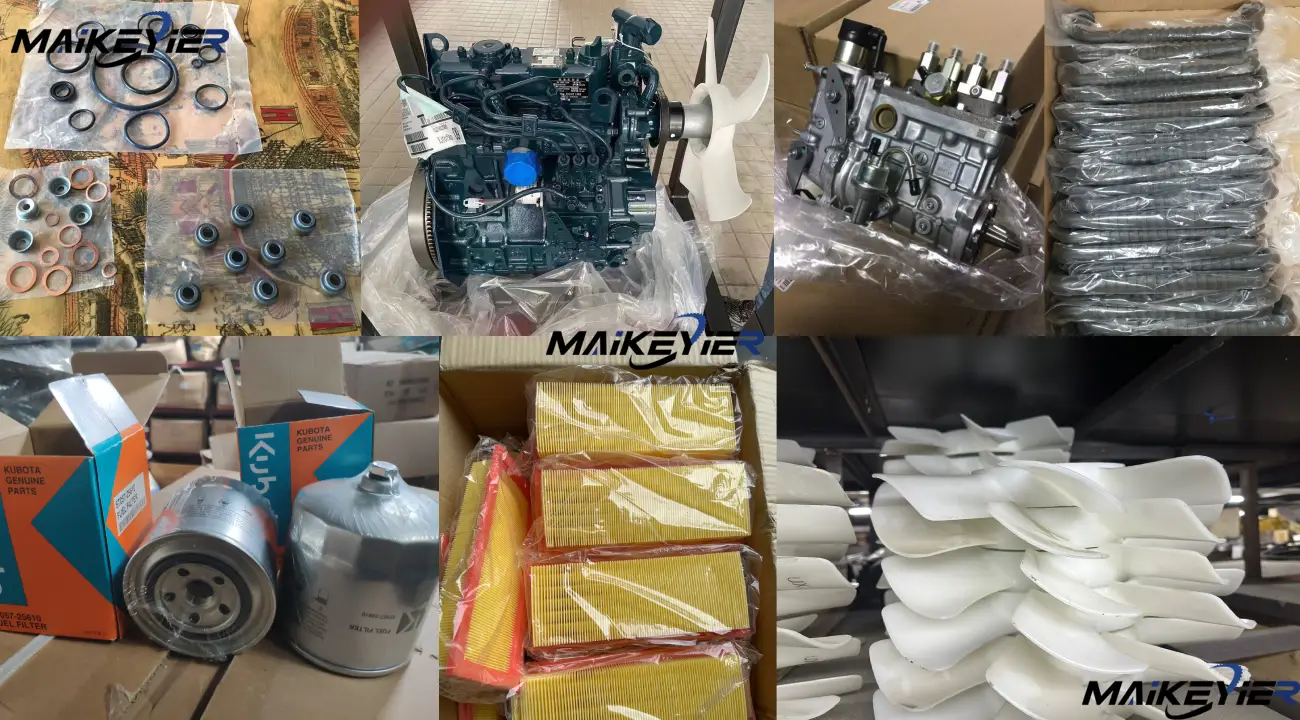
Why Daily Diesel Engine Maintenance Is So Important
Combine harvesters typically operate continuously in high-intensity, dusty field environments, with diesel engines enduring prolonged heavy loads. Maintenance during both the harvest season and the off-season is critical. Without regular daily checks and scheduled maintenance, problems such as power loss, hard starting, and black smoke can easily occur – affecting harvesting efficiency at best, or leading to major engine overhauls and unnecessary economic losses at worst.
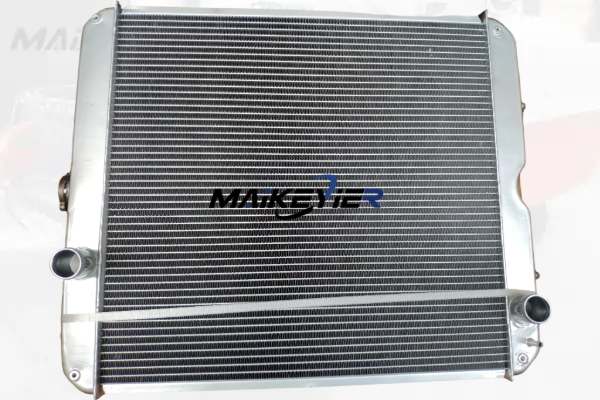
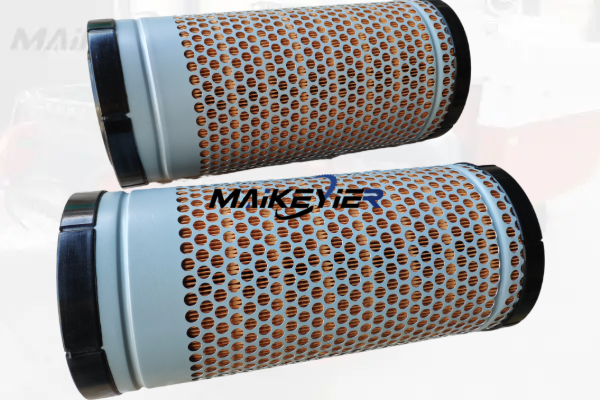
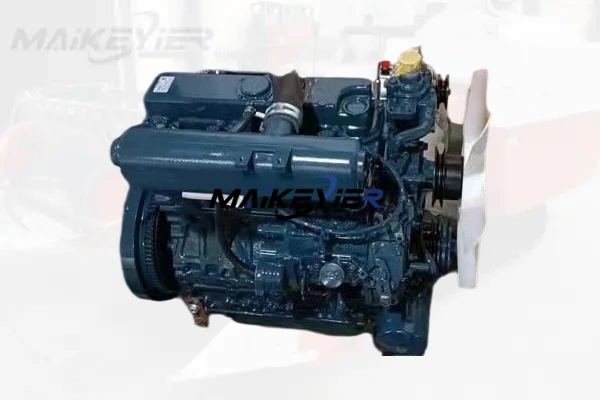
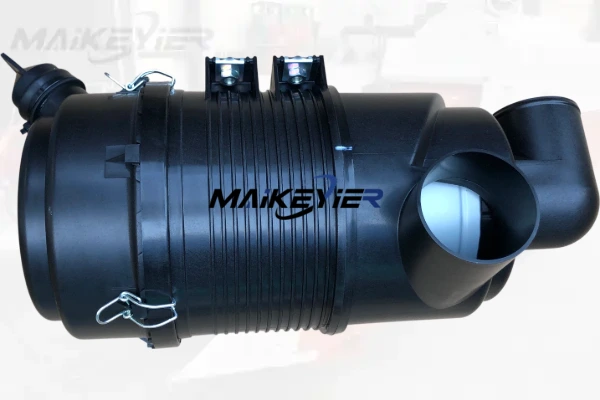
Combine Harvester Diesel Engine Daily Inspection Items
Performing a daily maintenance check before the harvester starts work is simple and quick, yet it is the most effective way to prevent sudden failures!
| Inspection Item | Key Points |
| Engine oil level | Check the dipstick after the engine has been stopped and allowed to settle; keep it between the upper and lower marks. |
| Coolant level | Check the radiator and expansion tank levels; top up if insufficient. |
| Fuel level | Ensure sufficient fuel; also check the fuel/water separator for accumulated water. |
| Air filter | In dusty working conditions, blow clean every 8 hours. |
| Hose inspection | Check fuel and water hoses for leakage or looseness. |
Scheduled Maintenance Intervals for Diesel Engines
In addition to daily inspections, core engine components require scheduled maintenance or replacement at fixed intervals. Different brands and models may have slightly varying maintenance schedules. Maikeyier has compiled a general component replacement interval table. You can also leave us a message with your harvester model for detailed maintenance recommendations.
| Maintenance Item | Replacement Interval | Notes |
| Engine oil and oil filter | Every 250–300 hours | Must be replaced while the engine is warm; cold-engine oil changes do not drain contaminants thoroughly. |
| Diesel filter | Every 200 hours | Fine filter every 200–300 hours; coarse filter drain and check for water every 100–150 hours. |
| Air filter | Replace after 4–5 cleanings | If deformed or damaged, replace immediately; do not continue using. |
| Hydraulic oil and filter | Every 250–300 hours | Includes return filter and travel filter. |
| Fuel filter (Kubota models) | Every 400 hours | Both filters must be replaced simultaneously; replacing only one is not recommended. |
Common Faults and Troubleshooting
Fault 1: Engine won’t start (starter motor does not turn)
| Possible Cause | Solution |
| Main fuse blown | Replace the 60-amp main fuse. |
| Main speed lever not in “Stop” position | Move the lever to “Stop” and try starting again. |
Fault 2: Engine won’t start (starter motor turns but engine does not fire)
| Possible Cause | Solution |
| Fuel tank empty | Refill with compliant diesel. |
| Diesel filter clogged | Replace the filter element (replace if used for more than 400 hours). |
| Water accumulated in fuel/water separator | Drain water and clean the separator. |
Fault 3: Engine lacks power
| Possible Cause | Solution |
| Air filter clogged | Clean or replace the air filter. |
| Fuel filter clogged | Replace the diesel filter. |
| Working components blocked | Check the header, drum, and other parts for foreign objects. |
Fault 4: Engine runs roughly and emits black smoke
| Possible Cause | Solution |
| Poor injector atomization | Repair or replace injector nozzles. |
| Incorrect fuel injection timing | Adjust fuel injection timing to the standard range. |
Post-Season Storage Maintenance Points
After the harvest season ends, to avoid battery drain, fuel system rust, and seal aging before the next season, it is advisable to perform maintenance before storing the machine.
- Fuel system: Fill the tank and add an appropriate fuel stabilizer to reduce condensation and rust inside the tank; also drain accumulated water from the fuel/water separator.
- Engine oil and coolant: If the maintenance interval is near, complete an oil change before storage to prevent acidic contaminants in old oil from corroding internal components during downtime.
- Battery care: Remove the battery and store it separately in a dry, cool place; recharge every 1-2 months to prevent damage from discharge.
- External cleaning and rust prevention: Thoroughly remove straw debris and dust from the machine body and engine compartment; apply rust-preventive oil to exposed metal parts.
- Water and moisture protection: Cover the entire machine with a rainproof tarp to prevent moisture from entering the engine compartment and electrical wiring.
- Before next season’s start: Follow the “Daily Inspection Items” in this guide to perform a full check; only put the machine into service after confirming everything is in order, to avoid operating with hidden faults.
Safety Precautions During Maintenance
Combine harvester engine parts maintenance involves high-temperature components, rotating mechanisms, and pressurized oil lines. Improper handling can cause personal injury. Please keep the following points in mind:
- When changing oil while the engine is warm, the engine body and exhaust pipe are hot. Wear heat-resistant gloves to avoid direct skin contact.
- Before checking the coolant level, always allow the engine to cool completely before opening the radiator cap. Never open the cap while the engine is hot to prevent coolant from spraying and causing burns.
- When disconnecting the battery, always disconnect the negative terminal first, then the positive terminal, to avoid short circuits and sparks.
- Before clearing blockages in the header, drum, or other components, ensure the engine is completely shut off and the key is removed. Never reach into moving parts while the engine is running.
- Tasks such as adjusting fuel injection timing and servicing injectors should be performed by qualified technicians to avoid engine damage due to incorrect parameter settings.
Frequently Asked Questions (FAQ)
Q1: How often should the diesel engine oil be changed?
A: It is generally recommended to change the engine oil and oil filter every 250–300 hours. The change should be performed while the engine is warm to ensure contaminants are fully drained.
Q2: What causes black smoke from the engine?
A: Black smoke is usually caused by poor injector atomization or incorrect fuel injection timing. It is advisable to service the injector nozzles and calibrate the injection timing.
Q3: How often should the air filter be cleaned in dusty conditions?
A: In high-dust fields, blow clean the air filter every 8 hours. After 4–5 cleanings, replace the filter element. If the filter is deformed or damaged, replace it immediately.
Q4: What should I do if the starter motor turns but the engine won’t start?
A: First check whether there is sufficient fuel, then check if the diesel filter is clogged (replace if used for more than 400 hours), and finally check whether the fuel/water separator has accumulated water. Follow these steps in order to locate the problem.
Q5: What should I pay attention to when the harvester is not used for a long time?
A: Fill the tank and add fuel stabilizer, drain water from the fuel/water separator, remove and store the battery separately with periodic recharging, thoroughly clean straw debris from the machine, and cover with a rainproof tarp to prevent rust and battery discharge.
Q6: What safety precautions should I take when changing oil?
A: Oil changes should be performed with the engine warm. At this time, the engine body is hot, so operators should wear heat-resistant gloves and avoid direct contact with high-temperature parts such as the exhaust pipe to prevent burns.
The stable operation of a combine harvester diesel engine depends on both daily inspections and scheduled maintenance. It is recommended that operators keep a maintenance log, recording replacement intervals for each component by operating hours, so as to “prevent problems before they occur.” This will minimize downtime during the critical harvest season and extend engine service life.