
In the daily use, repair, and maintenance of combine harvesters, parts selection is a challenge we all face. OEM parts and aftermarket parts each have their own advantages in terms of fit, procurement cost, and cost-performance. So, which is better – OEM parts or aftermarket parts for combine harvesters? Maikeyier has compiled the definitions, differences, pros and cons, and selection recommendations for both types of agricultural parts to help you make cost-effective decisions in maintenance and parts procurement.
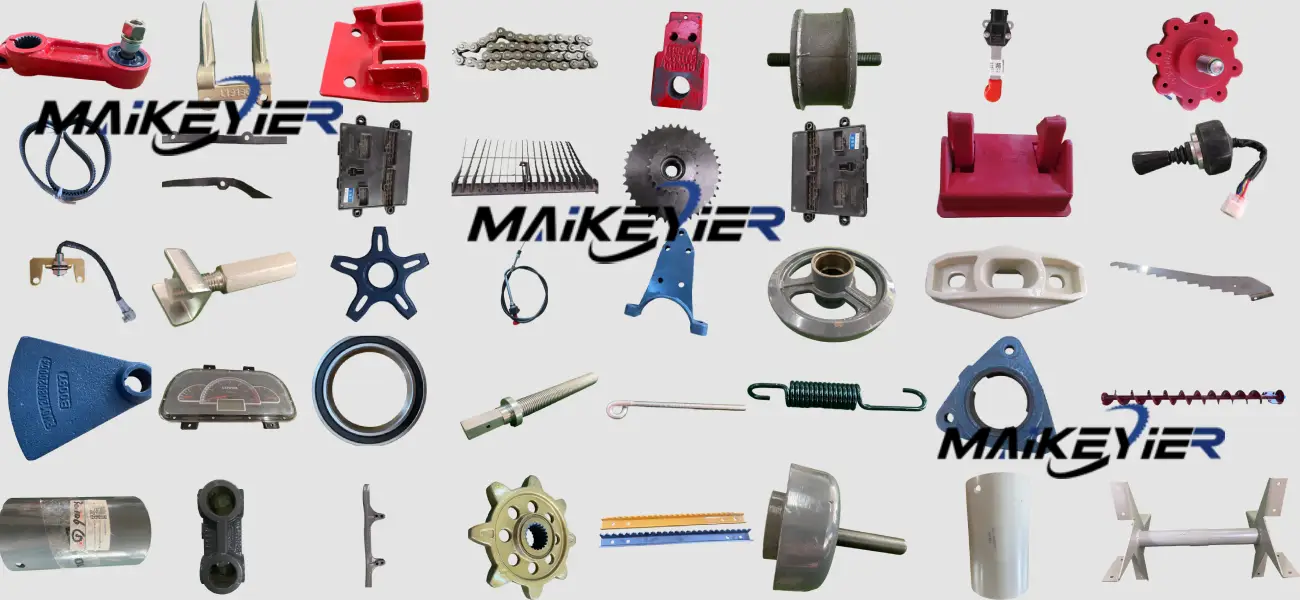
What Are OEM Parts?
OEM stands for Original Equipment Manufacturer. OEM parts, simply put, are parts produced by the combine harvester’s original manufacturer or by its designated partners. These parts are exactly the same as those installed on the harvester when it left the factory, using identical materials, processes, and technical standards. They are parts that come through original channels and carry the original manufacturer’s “identity certification.”
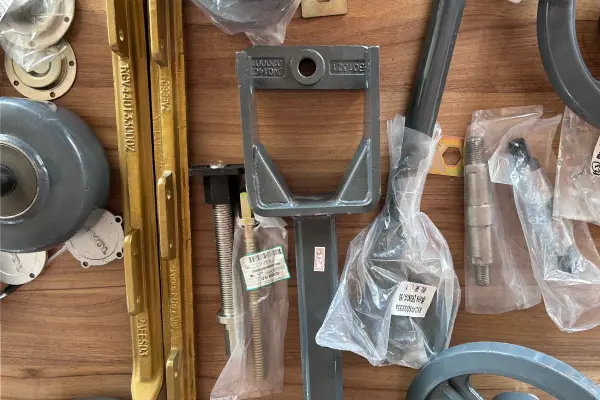
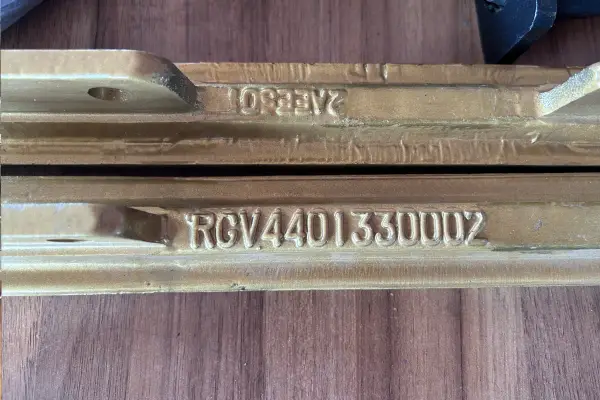
Typical Characteristics of OEM Parts
- Produced by the combine harvester brand owner (e.g., Kubota, Yanmar, Lovol, World, etc.) or its authorized suppliers
- Bear the original brand logo and packaging
- Strictly follow the original technical drawings and process standards
- Pass the original quality certification and inspection system
- Come with the original manufacturer’s warranty
What Are Aftermarket Parts?
Aftermarket parts are replacement components manufactured by non-original producers that are suitable for specific brands and models of harvesters. Aftermarket parts are an important part of the agricultural aftermarket. Their manufacturers may be professional agricultural parts makers, forging plants, or comprehensive parts suppliers. They are also called “non-original parts” and are alternative components produced by third-party factories according to compatibility standards.
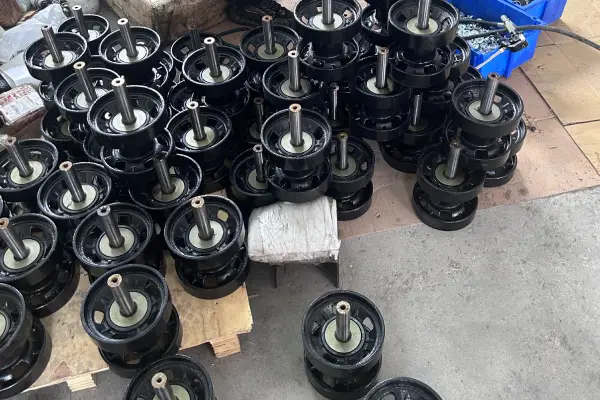
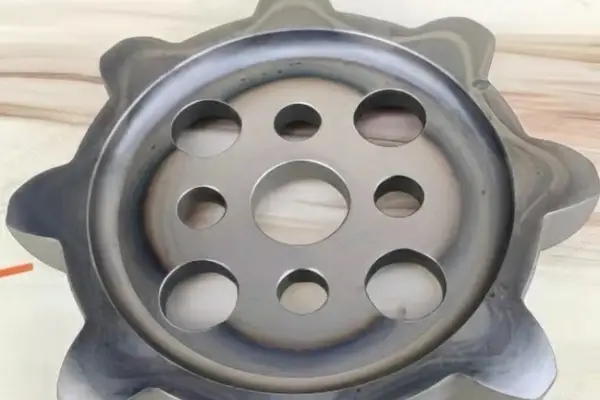
Typical Characteristics of Aftermarket Parts
- Produced by independent manufacturers, not affiliated with the harvester brand owner
- Designed to fit according to original specifications
- Quality varies significantly between different manufacturers
- Generally do not carry the original brand logo
- Usually priced lower than OEM parts
How to Tell Whether a Part Is OEM or Aftermarket?
In actual procurement, you can determine whether a part is OEM or aftermarket by checking the packaging, verifying the part number, comparing prices, and other methods.
| Evaluation Aspect | OEM Parts | Aftermarket Parts |
| Packaging | Original brand packaging with logo, part number, and barcode | Neutral packaging, generic packaging, or private-label packaging; no original brand markings |
| Product marking | Parts bear the original logo or stamped part number | Usually no original marking, or may carry the supplier’s own identification |
| Procurement channels | Only available through authorized dealers or official channels | Available in various agricultural parts markets, e-commerce platforms, and independent suppliers |
| Price positioning | Higher price, with significant brand premium | Usually priced lower than OEM parts |
| Quality documents | Come with original certificate of conformity and quality documents | Supplier’s own quality inspection reports; formats vary |
| Sales channels | Only authorized channels | Widely available through multi-level distribution |
Comprehensive Comparison of OEM vs. Aftermarket Parts for Combine Harvesters
Although OEM parts offer stable quality, standardized performance, and official warranties, there is still strong demand for aftermarket parts. Why is that? Maikeyier compares them across price, compatibility with the machine, technology, and other aspects to help you gain a more complete understanding.
Fit and Compatibility Comparison
| Comparison Aspect | OEM Parts | Aftermarket Parts |
| Installation fit | Perfect fit, no modification needed | Products from quality suppliers are essentially identical to original; some low-quality products may have clearance deviations |
| Compatibility range | Only fits corresponding models | Can cover multiple brands and models; strong versatility |
| Technical specifications | Strictly according to original drawings | Reverse-engineered or referenced from original specifications |
Quality and Durability Comparison
| Comparison Aspect | OEM Parts | Aftermarket Parts |
| Material standards | Strictly follow original material standards | Varies greatly among suppliers; quality suppliers use materials close to or equivalent to original |
| Process level | Original specified mature processes | Depends on the manufacturer’s capability; professional forging plants can achieve equivalent process levels |
| Quality inspection | Full control by original quality system | Reputable suppliers have their own quality control systems, but levels vary |
| Service life | Meets design life expectations | Quality products can approach OEM life; low-quality products may last only 1/2 or less of OEM life |
Price and Cost-Performance Comparison
| Comparison Aspect | OEM Parts | Aftermarket Parts |
| Unit price | Higher, includes brand premium | Typically 30%–60% lower |
| Procurement cost | High purchase cost | Low purchase cost |
| Overall value-for-money | Stable quality, but expensive | Quality suppliers offer significant cost-performance advantages |
| End-user acceptance | Price limits acceptance | More competitive pricing in the market |
Supply Stability and Convenience Comparison
| Comparison Aspect | OEM Parts | Aftermarket Parts |
| Supply channels | Restricted to authorized channels; possible regional stock shortages | Wide channels, flexible supply |
| Procurement threshold | Often requires bulk orders or dealer registration | Low threshold; flexible mixed-lot ordering |
| Delivery reliability | Subject to original production schedules | Stock + production scheduling dual mode; faster response |
| Parts variety | Only covers parts within the original system | Broader coverage; cross-brand purchasing possible |
Warranty and Technical Support Comparison
| Comparison Aspect | OEM Parts | Aftermarket Parts |
| Quality guarantee | Original warranty, comprehensive coverage | Depends on the supplier; quality suppliers provide commitments |
| Technical support | Original technical documentation and after-sales system | Suppliers provide fitment guidance and technical consultation, but without original manufacturer authorization |
| Liability traceability | Clear responsible party | Requires assessment of supplier credibility |
When Should You Choose OEM Parts?
Critical precision components: Such as engine parts, high-pressure common-rail injectors, precision hydraulic valves, and other electronic or precision hydraulic components.
Equipment still under warranty: To avoid affecting the original warranty, OEM parts are recommended.
Parts with special technical requirements: Some parts with special coatings or heat treatments that are difficult to replicate in the aftermarket.
Equipment resale value considerations: For equipment you plan to sell, using OEM parts helps maintain higher resale value.
When Should You Choose Aftermarket Parts?
High-frequency wear parts:Regular replacement items such as cutter bars, blades, chains, belts, oil seals, and filter elements – aftermarket parts offer better cost-performance.
Equipment past warranty:For out-of-warranty machines, choosing quality aftermarket parts can significantly reduce maintenance costs.
Older models:OEM may have discontinued parts for some older models, while the aftermarket can still provide alternatives.
Bulk maintenance needs:For agricultural cooperatives, repair shops, and parts distributors, the cost advantage of aftermarket parts is clear.
Complete machine refurbishment: For overhaul projects where cost-effectiveness is a priority, aftermarket parts are a sensible choice.
How to Judge the Quality of Aftermarket Parts?
Based on your market situation, choose the appropriate parts grade. When selecting aftermarket parts, pay attention to material, process, quality inspection, product documentation, and the supplier’s production capacity and supply capability.
| Evaluation Criteria | Explanation |
| Does the supplier have in-house production capability? | Factories with their own forging and machining capabilities have stronger quality control. |
| Is the material traceable? | Are raw material test reports provided (e.g., spectrographic analysis)? |
| Is the quality control system complete? | Is there full-process management including incoming inspection, in-process control, and final product testing? |
| Are product documentation and support provided? | Are product photos, compatibility charts, and cross-reference part number tables available? |
| What are the customer feedback and references? | Does the supplier have a base of long-term cooperating dealers or repair shops? |
Suppliers of OEM vs. Aftermarket Parts for Combine Harvesters
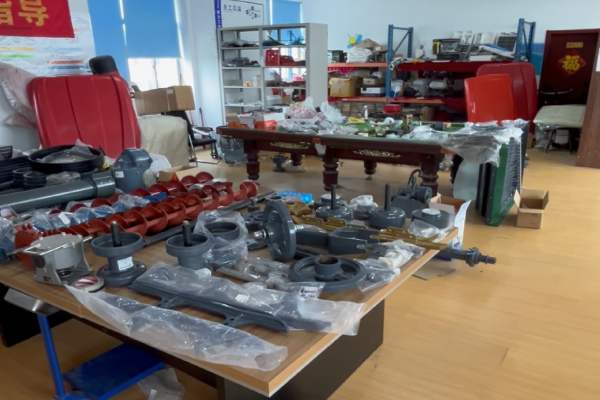
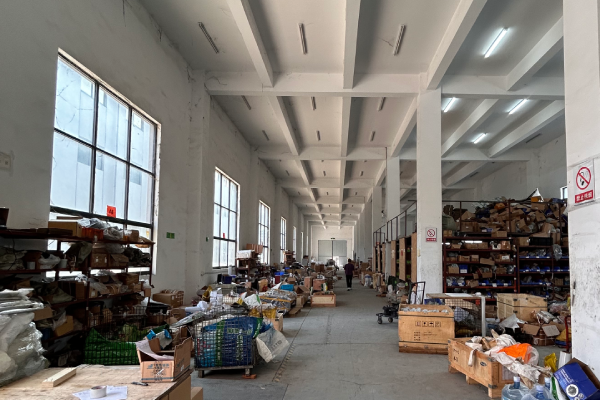
OEM and aftermarket parts suppliers have different supply models, product ranges, and delivery lead times, which are also important factors in the procurement process.
Characteristics of OEM Parts Suppliers
The supplier system for combine harvester OEM parts is largely dominated by the original equipment manufacturers. There are two main types: the OEM’s own parts division and authorized certified supporting factories.
| Aspect | Description |
| Supply model | Direct sales by the OEM or authorized distribution; highly centralized channels |
| Product range | Only supplies genuine parts for their own brand |
| Pricing | Fixed pricing structure; limited room for negotiation |
| Delivery lead time | Subject to the OEM’s production schedule; non-standard parts may require waiting for production |
| After-sales support | Original warranty system with comprehensive coverage but regional limitations |
Characteristics of Aftermarket Parts Suppliers
| Aspect | Description |
| Supply model | Independent production or integrated supply chain, directly serving aftermarket dealers and repair shops |
| Product range | Covers multiple brands, broader categories, and wider compatibility |
| Pricing | Competitive Chinese manufacturing costs; more reasonable premium margins |
| Delivery lead time | Stock + production scheduling dual mode for greater flexibility |
| After-sales support | Suppliers provide quality commitments and technical support, but need to select trustworthy partners |
Maikeyier – Your Professional Agricultural Aftermarket Parts Supplier
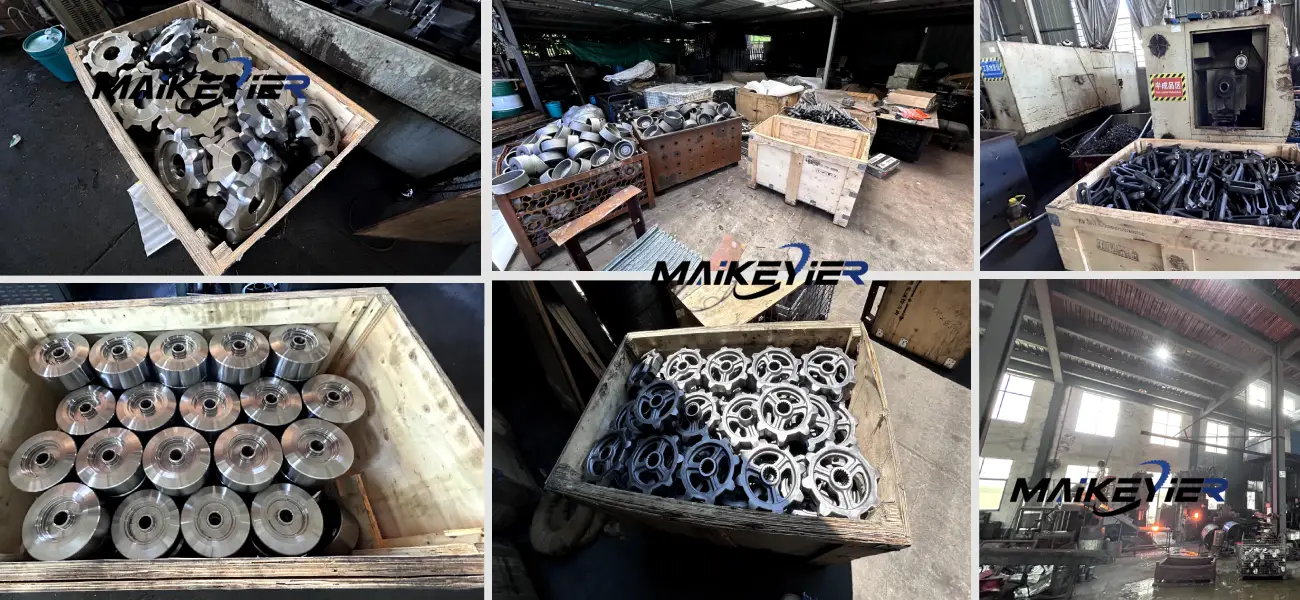
Maikeyier is a professional agricultural aftermarket parts manufacturer with forging capability at its core, specializing in providing high-quality replacement parts to the global combine harvester aftermarket.
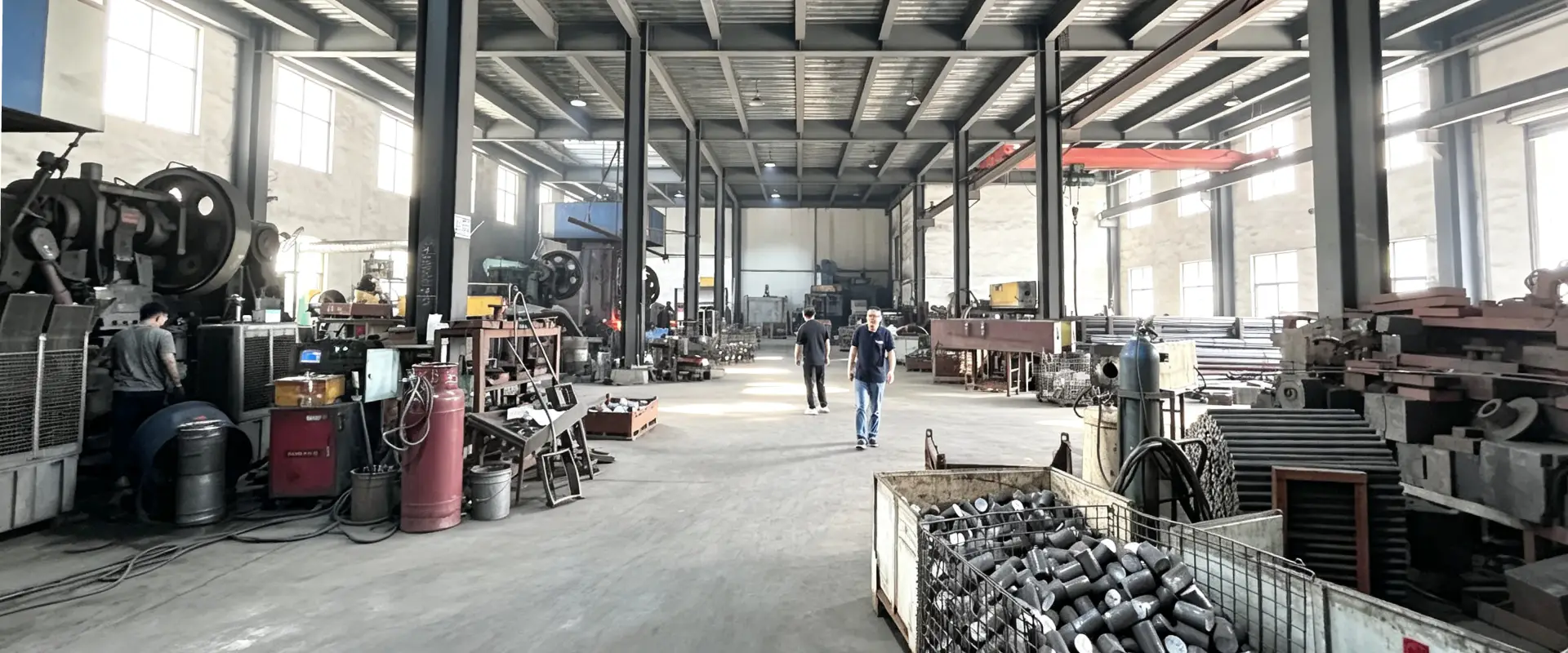
Our Features:
- In-house forging plant:Core wear parts such as cutter bars, blades, gears, and connecting rods are produced in-house for full quality control.
- Complete supply chain integration:Covers all categories including forgings, sheet metal parts, castings, standard parts, rubber parts, and electronic parts.
- Strict quality control:Incoming material spectrographic analysis → in-process sampling inspection → 100% final product inspection; every batch is traceable.
- One-stop supply service:One supplier covers multi-brand, multi-category parts needs, reducing procurement management costs.
In agricultural parts selection, the key is reliability – parts that fit properly, last long, and are reasonably priced. OEM and aftermarket parts each have their pros and cons; there is no absolute “which is better,” only “which is more suitable.”Maikeyier – forging at the core, providing high-quality parts supply solutions to the global combine harvester aftermarket. If you need assistance with parts procurement, feel free to contact us for a product catalog and quotation.