
Farm equipment, also known as agricultural machinery, covers a broad range of machines, implements, and supporting devices—from seeding and harvesting to post‑production processing. It can be broadly divided into two categories: self‑propelled machinery (e.g., tractors and combine harvesters, which have their own power source and running gear) and implements (which require a tractor to tow or mount). Its main functions are to improve tillage efficiency, reduce labor costs, and stabilize crop yields.
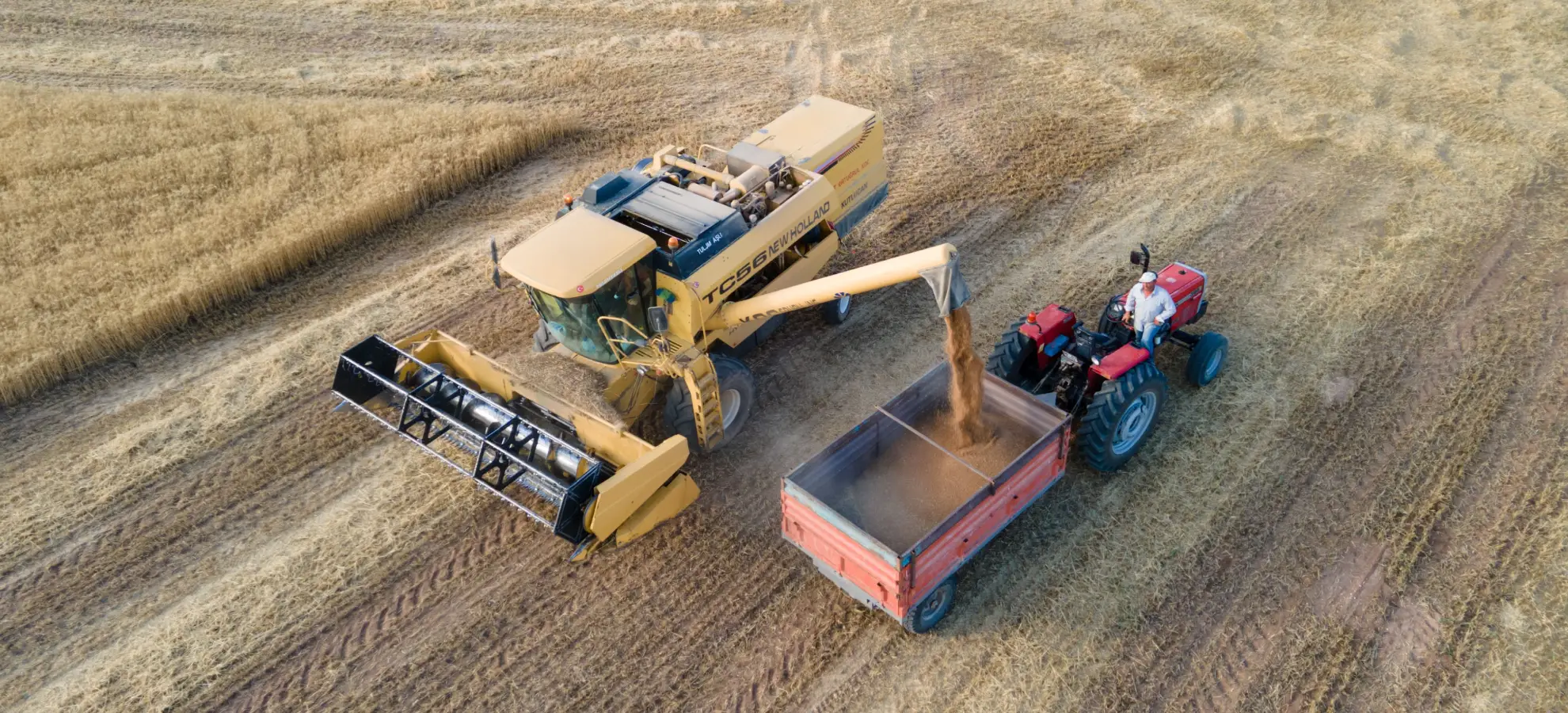
Table of Contents
ToggleWhat are the Types of Farm Equipment Implements?
There is specialized, self-powered machinery designed for every stage of the agricultural cycle—from land preparation and seeding to crop harvesting and post-harvest processing.
- Tractors: The most common type of farm machinery, categorized into wheeled and tracked models. They provide the traction power needed to operate various implements for tasks such as plowing, seeding, harvesting, and transport.
- Land preparation machinery: Equipment used to prepare the soil before planting, including plows, disc harrows, rotary tillers, and cultivators.
- Planting and seeding machinery: Precision equipment—such as seeders, transplanters, and rice transplanters—used for sowing seeds and transplanting seedlings.
- Field crop protection machinery: Equipment for crop maintenance, primarily sprayers, dusters, and fertilizer spreaders, used to apply pesticides and fertilizers.
- Harvesting machinery: Core equipment for gathering crops; types include self-propelled, towed, and PTO-driven models. Examples include combine harvesters, windrowers, and threshers, capable of performing comprehensive harvesting operations.
- Harvesting machinery for grains, fibers, vegetables, and fruits.
- Post-harvest processing machinery: Equipment such as grain dryers, grain cleaners, and graders/sorters, used to enhance the quality of agricultural products.

What Are the Common Agricultural Attachments?
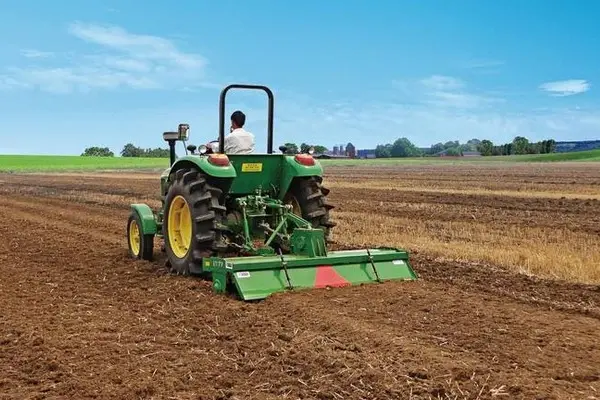
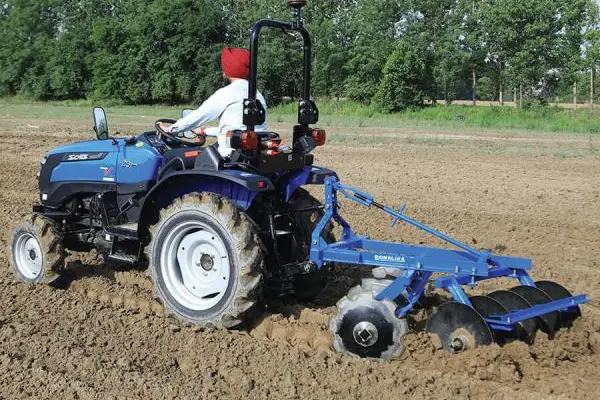
Agricultural attachments have no independent power source and must be used with a tractor or other powered machine. Their purpose is to expand the functionality of the main equipment, improve working accuracy, and enhance safety. Common attachments include front‑end loaders, material buckets, forks, tines, disc blades, subsoiler shanks, bedders/ridgers, planter frames, fertilizer discs, precision seed metering devices, rotary cutters, mower decks, weeder heads, baler attachments, furrow openers, snow removal accessories, and more.
Tillage Attachments
- Plows: Used for primary tillage to break and turn over the soil in preparation for seeding.
- Harrows: Including disc harrows composed of multiple disc blades, used for secondary tillage.
- Rotary Tillers: Break up compacted soil to create an ideal seedbed.
- Cultivators: Used for inter‑row weeding and soil loosening.
Seeding & Planting Attachments
- Seeders: Place seeds at the correct depth and spacing.
- Precision Planters: Accurately place seeds within rows.
- Forage & Grassland Attachments
- Mowers: Efficiently cut large grassland areas for hay production or pasture maintenance.
- Balers: Compress harvested hay, cotton, or straw into tight bales.
- Rakes: Available in wheel, parallel bar, rotary, and belt types, used to gather and spread cut forage.
Material Handling Attachments
- Buckets: The most common attachment, used for handling soil, feed, snow, etc.
- Pallet Forks: Move heavy items such as feed, harvested products, or fencing materials.
- Grapples: Equipped with tines or jaws to securely grip irregular materials like logs, brush, rocks, and bales.
- Rear Blades: Versatile attachments for leveling soil, spreading gravel, dressing ditches, and smoothing terrain.
- Landscape Rakes: Used for leveling and cleaning soil or gravel surfaces.
Common Core Components of Agricultural Equipment
Agricultural machinery is made up of many components, each playing a unique role in machine operation and forming the basis of equipment performance. Understanding these components helps with proper maintenance and timely repairs.
- Power System Components: Engine, fuel tank, air filter, oil filter, fuel filter, alternator – responsible for power supply, ensuring stable combustion and continuous output from the engine.
- Transmission System Components: Power take‑off (PTO), transmission, clutch, drive belts, chains – transmit engine power to drive attachments for rotation, cutting, tillage, etc.
- Hydraulic System Components: Hydraulic pump, hydraulic hoses, cylinders, seals, control valves – core to modern farm machines, controlling attachment lifting, tilting, angle adjustment, and enabling flexible operation.
- Running & Support Components: Tires, tracks, bearings, axles, shock‑absorbing parts – support the overall weight of the equipment and adapt to muddy, uneven field terrain.
- Control & Protection Components: Control levers, sensors, warning lights, protective housings – ensure precise control and protect operator safety.

Maintenance Methods for High‑Frequency Wear Parts
Agricultural equipment operates in harsh, dusty, muddy, and high‑friction environments for long periods. Many parts are prone to wear and aging. Regular maintenance can prevent sudden breakdowns, reduce downtime losses, and extend equipment service life.
Which Parts Are High‑Frequency Wear Items?
- Belts: Check for excessive wear, holes, and joint damage.
- Bearings :Keep lubricated and ensure dust covers are intact.
- Chains:Check tension and wear.
- Blades and knives:Check sharpness and damage.
- Concaves:Check for wear.
- Cutter blades and rotary tiller blades : Keep sharp to improve efficiency and reduce machine load.
Best Maintenance Practices
- Regular Inspections: Before failures occur, inspect bearings, belts, and chains for wear. All soil‑contacting parts must be checked for wear – check disc or cutter edge sharpness.
- Lubrication: Regularly lubricate all moving parts to reduce wear. Keep bearings greased at all times. Follow the lubrication intervals specified in the manual.
- Timely Replacement of Worn Parts: Replace belts, hoses, filters, etc., as soon as they show signs of wear or damage. Replace worn belts promptly; replace broken teeth or blades immediately.
- Use Quality Parts: Prefer original equipment manufacturer (OEM) parts. Non‑OEM parts may have slight fitting differences that affect efficiency and make troubleshooting more difficult.
- Thorough Cleaning: At the end of each season, thoroughly wash the machine. For combines, use compressed air, brushes, and industrial vacuums to remove straw, debris, mud, and dust – pay special attention to stone collectors, sieves, grain pans, and walkers.
Tips for Selecting Farm Equipment Suppliers

- Verify Credentials: Prioritize manufacturers with proper production qualifications, industry certifications, and complete test reports.
- Product Quality: Inspect workmanship, material durability, and parameter compliance. For bulk orders, request sample quality checks first.
- Product Range: Choose suppliers with a comprehensive product line that fits major farm machinery brands, covering complete machines, matching attachments, and common wear parts.
- Production & Supply Capacity: Verify factory scale, production lead times, and regular inventory levels.
- After‑Sales Service: Prefer suppliers that offer technical guidance, installation and commissioning, warranty service, and rapid after‑sales response.
- Cost‑Effectiveness: Balance quality, price, and service.
- Customization Capability: Choose suppliers that can tailor equipment and attachment solutions to farm size, crop type, and terrain conditions.
- Customer Feedback: Check market reputation, case studies, and genuine user reviews.
Farm equipment is a complete system comprising main machines, matching attachments, core components, and wear parts. Maikeyier offers complete machines, spare parts, and implements for all the above equipment. Please feel free to contact us for a full product catalog and price list.
Would you like to start a project with us?
Leave your list of needs, and we will match you with the most cost-effective service.